The Hidden Reef home

Freshwater

Freshwater aquariums

The most popular way to keep fish at home: forgiving, colorful and endlessly varied. Here is how the main styles compare, and how to set one up the right way.

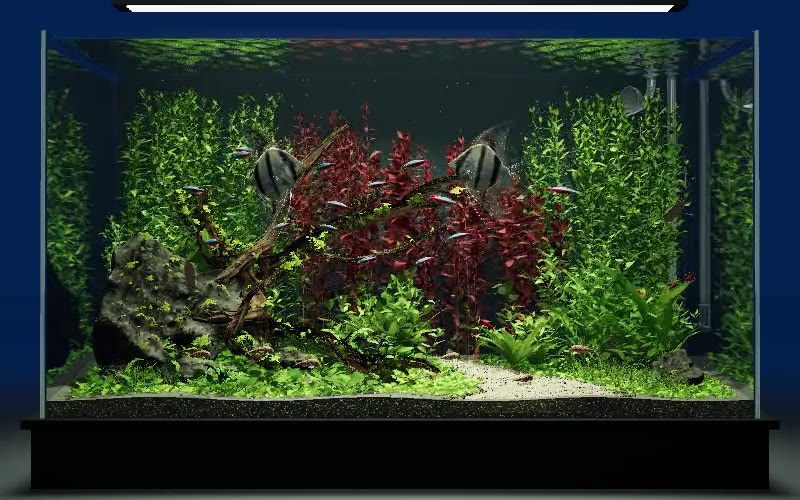
A planted freshwater aquarium with schooling fish
Water temperature 74–80°F

For most tropical community fish. Goldfish prefer it cooler, around 65–72°F.

Before the first fish 2–6 weeks

The time it usually takes to cycle a new tank so fish waste is broken down safely.

Weekly care 20–30 min

A 10–25% water change, a quick glass clean and a look at every fish.

Good first size 20–40 gal

Bigger tanks hold steadier water than small ones and forgive more mistakes.

Choose a style

Types of freshwater aquariums

Most tanks fall into one of these styles. Pick the one that matches the fish you love and the time you want to spend.

Community tank

Beginner

A peaceful mix of small schooling fish and bottom dwellers sharing one tank.

Good for
Tetras, rasboras, corydoras, platies, guppies and other easygoing species.
Keep in mind
Check adult sizes and temperaments: not every "community" fish gets along with every other.

Planted aquascape

Intermediate

Live plants are the star, arranged like an underwater landscape.

Good for
Small schooling fish and shrimp that suit a calm, green tank.
Keep in mind
Plants need the right light, substrate and fertilizer. Fast-growing layouts may also need CO2.

Betta and nano tanks

Beginner

Small 5–10 gallon setups for a single betta, a shrimp colony or a few tiny fish.

Good for
Desks, counters and small rooms.
Keep in mind
Small volumes change quickly, so a heater, a filter and a steady routine still matter.

Goldfish aquarium

Beginner

An unheated tank built around fancy goldfish, which grow bigger and live longer than most people expect.

Good for
Fancy goldfish in a roomy, well-filtered tank.
Keep in mind
Goldfish make a lot of waste, so plan a bigger tank and filter than their size suggests. Comets and commons are better suited to ponds.

Cichlid tank

Intermediate

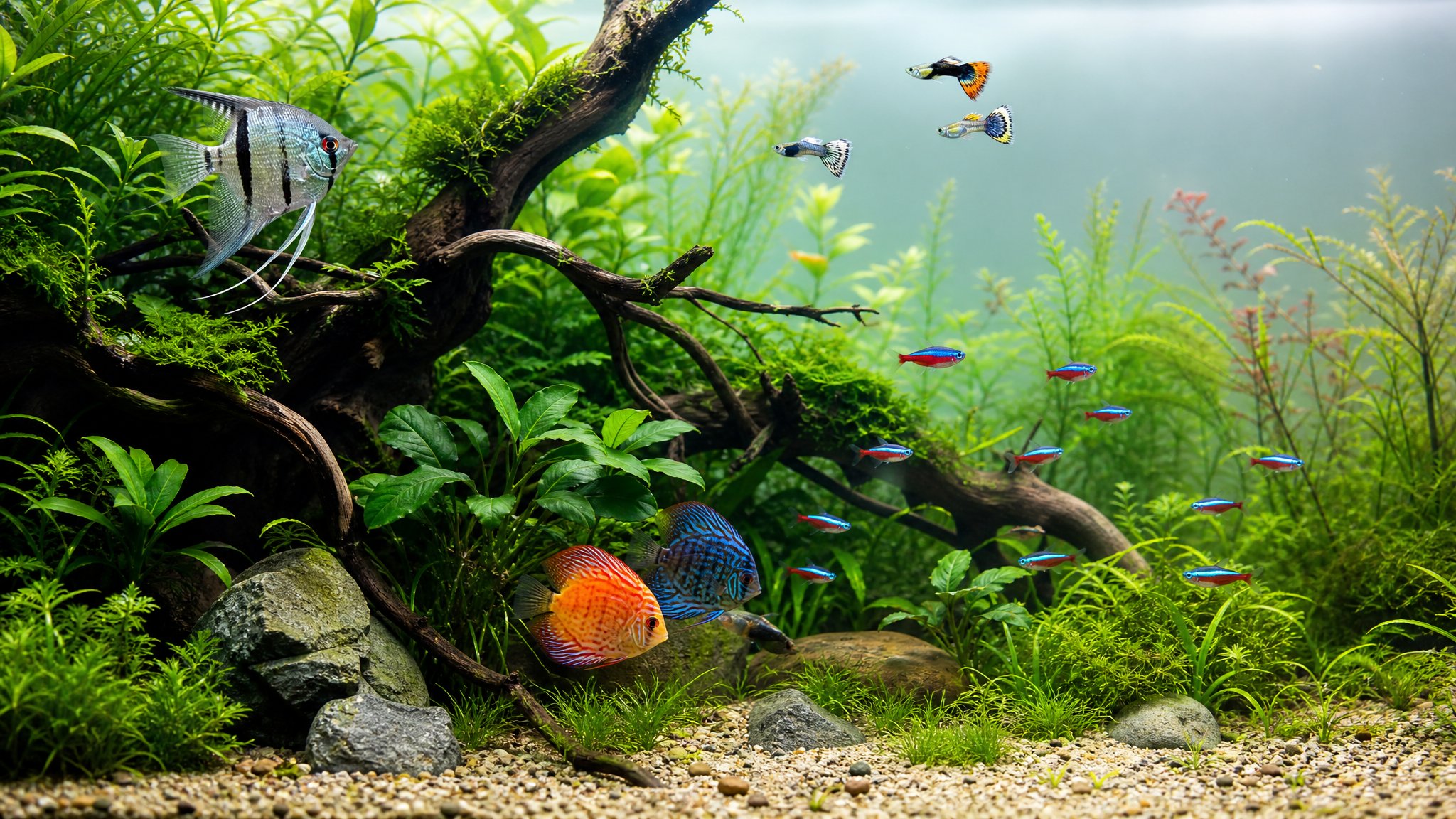
Bold, colorful fish with big personalities, from African lake cichlids to angelfish and rams.

Good for
Keepers who want active fish with interesting behavior.
Keep in mind
Many cichlids are territorial. African rift lake species want hard, alkaline water; most South American species prefer it softer.

Shrimp and invertebrate tank

Intermediate

A small, stable tank for dwarf shrimp and snails, often planted with moss.

Good for
Cherry shrimp, snails and other small invertebrates.
Keep in mind
Invertebrates are sensitive to copper and sudden changes, and most fish will eat baby shrimp.
Step by step

How to get started

These are general guidelines. Needs vary by species, so check the specific fish and plants you plan to keep.

  1. Choose your fish first

    Decide which fish you want, then size the tank to their adult size and needs. When in doubt, go bigger: more water means more stable water.

  2. Pick a solid spot

    Water weighs about 8.3 pounds per gallon, so a filled 40-gallon setup can top 400 pounds. Use a stand made for aquariums on a level floor, away from direct sun, heat vents and drafts, and near an outlet.

  3. Set up and fill

    Rinse the substrate, place rock, wood and plants, then fill with tap water treated with a dechlorinator. Start the filter and heater and let the temperature settle.

  4. Cycle the tank

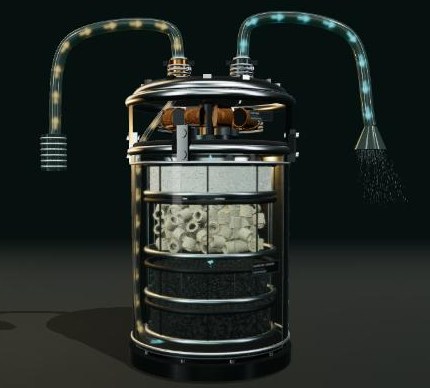
    Beneficial bacteria need to grow before fish can live safely in the tank. Add an ammonia source and bottled bacteria, then test until ammonia and nitrite both read zero and nitrate shows up.

  5. Add fish a few at a time

    Start with a small group of hardy fish. Float the bag to match temperatures, and add more over the following weeks so the bacteria can keep up.

  6. Settle into a routine

    Feed small amounts once or twice a day, change 10–25% of the water weekly, and rinse filter media in old tank water rather than tap water so the bacteria survive.

See how it works

Explore in 3D

Keep learning

Helpful guides

Ready when you are

When you are ready to pick out supplies, everything we carry is in one place. Questions first? Call (215) 269-4930 or visit us at 4501 New Falls Rd, Levittown.